What is the climate of ıstanbul in english?

İstanbul'un iklimi, iki kıtayı birleştiren coğrafi konumuyla şekillenir; Akdeniz ve okyanus etkilerinin kesiştiği bu şehirde dört mevsim kendine özgü bir karakterle yaşanır. Sıcaklık dalgalanmalarından yağış rejimine, Boğaz'ın serinletici meltemlerinden nem oranlarına kadar tüm iklimsel dinamikler, kentin günlük yaşamını ve ziyaretçi deneyimini doğrudan etkiler.

18 Kasım 2025
Introduction to Istanbul's Climate

Istanbul, the largest city in Turkey, boasts a unique geographical location that influences its climate significantly. Straddling two continents, Europe and Asia, Istanbul experiences a mix of Mediterranean and oceanic climate characteristics. This article aims to provide a comprehensive overview of the climatic conditions in Istanbul throughout the year, highlighting factors such as temperature, precipitation, and wind patterns.

Seasonal Breakdown of Climatic Conditions

Istanbul experiences four distinct seasons: winter, spring, summer, and autumn. Each season brings unique weather conditions and characteristics.

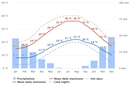
  • Winter (December to February): Winter in Istanbul is typically cool and damp. The average temperatures range from 3°C to 9°C (37°F to 48°F). Snowfall occurs occasionally, but it is not common. The city experiences a significant amount of rainfall during these months, contributing to the overall dampness.
  • Spring (March to May): Spring is a transitional period, with temperatures gradually rising. Average temperatures range from 10°C to 20°C (50°F to 68°F). Rainfall decreases, and the city becomes vibrant with blooming flowers, making it an ideal time for outdoor activities.
  • Summer (June to August): Summers in Istanbul can be hot and humid, with temperatures averaging between 20°C and 30°C (68°F to 86°F). July and August are the hottest months, where temperatures can occasionally exceed 35°C (95°F). Coastal breezes provide some relief from the heat.
  • Autumn (September to November): Autumn marks a return to milder conditions. Average temperatures range from 15°C to 25°C (59°F to 77°F). Rainfall begins to increase again, particularly in November, as the city prepares for winter.

Precipitation Patterns

Istanbul experiences a varied pattern of precipitation throughout the year, with the majority falling during the autumn and winter months.

  • Annual Rainfall: The annual precipitation in Istanbul averages around 900 mm (35 inches). The city does not experience extreme drought or flooding, but heavy rainfall can occur during storms.
  • Rainy Days: The number of rainy days is notably higher in winter compared to summer, with January being particularly wet. 

Temperature Variability

The temperature in Istanbul can vary considerably based on the season and geographic features.

  • Microclimates: Various neighborhoods within Istanbul may experience different temperatures due to elevation and proximity to water bodies, with coastal areas being milder compared to inland regions.
  • Heat Waves: During the summer months, heat waves may lead to substantial spikes in temperature, affecting daily life and public health.

Wind Patterns and Humidity

Wind patterns play a significant role in shaping Istanbul's climate, particularly during the summer.

  • Breeze: The city often experiences refreshing breezes from the Bosphorus, which help alleviate the heat during hot summer days.
  • Humidity Levels: Humidity levels can be high, especially in late summer, which may contribute to discomfort for residents and visitors alike.

Conclusion

In summary, Istanbul's climate is characterized by distinct seasons, with varying temperatures and precipitation patterns throughout the year. Understanding the city's climatic dynamics not only enhances the appreciation of its natural beauty but also aids in planning for various activities and experiences that the city has to offer. Visitors should take into account seasonal variations to ensure a pleasant experience while exploring Istanbul.

Istanbul's rich history and cultural significance are underscored by its diverse climate, making it a unique destination year-round.

Yeni Soru Sor / Yorum Yap
şifre
Sizden Gelen Sorular / Yorumlar
Çok Okunanlar
Haber Bülteni
Popüler İçerik
Soğuk İklimler Türleri ve Özellikleri
İklimler ve Özellikleri Nelerdir?
Akdeniz İklimi Türleri ve Özellikleri
İklim Çeşitleri Türleri ve Özellikleri
Ekvatoral İklim Türleri ve Özellikleri
;